
Discover why 30-hour insulated lunch boxes improve construction worker productivity through superior temperature control, durability, and ergonomic portability for Irish jobsites.
Most construction workers think a bigger lunch box automatically keeps food fresher during long shifts. That assumption costs them safe, enjoyable meals. The reality is insulation quality beats size every time, especially during rugged 10-hour workdays on Irish jobsites where maintaining meal temperature directly impacts energy and focus.
Table of Contents
- Understanding Lunch Box Portability For Construction Workers
- Maintaining Food Temperature: Insulation And Technology
- Durability And Materials For Portability In Rugged Environments
Key Takeaways
| Point | Details |
|---|---|
| Portability means durable, lightweight, ergonomic design built for construction demands | Quality lunch boxes weigh 1.5 to 7.3 pounds and feature reinforced straps for jobsite mobility |
| Insulation keeps food safe 10+ hours; electric boxes heat meals onsite | Premium models maintain cold temperatures up to 30 hours while electric versions reach 149°F in 30 minutes |
| Material quality determines survival in harsh conditions | 900D Oxford fabric and reinforced stitching withstand daily impacts, spills, and abrasions |
| Size matters less than insulation integrity for temperature control | Compact, well-sealed boxes outperform larger models with poor insulation |
| Smart features reduce carrying fatigue and improve meal freshness | Padded handles, multiple compartments, and water-resistant shells enhance daily usability |
Understanding Lunch Box Portability for Construction Workers
Portability on construction sites means more than just carrying a bag. For Irish laborers facing unpredictable weather and demanding physical work, lunch box portability involves durable materials, manageable weight, and practical carrying features that withstand rugged conditions. A truly portable lunch box survives drops from scaffolding, resists spills from tool boxes, and stays comfortable during long walks across sprawling sites.
Weight directly affects your willingness to bring proper meals. Lunch boxes typically range from 1.5 pounds for basic insulated models to 7.3 pounds for electric versions with heating elements. Workers who transport lunch boxes on foot need lighter options, while those with vehicle access can manage heavier electric models. The sweet spot balances capacity with comfort.
Key portability features include:
- Reinforced shoulder straps with padding that distribute weight evenly
- Heavy-duty zippers and closures that resist jobsite grime
- Compact footprints fitting tool bags or truck compartments
- Sturdy handles for quick grabs during breaks
- Water-resistant exteriors protecting contents from Irish rain
Construction-grade electric lunch boxes for construction workers combine these practical elements with thermal technology. Your lunch box becomes a reliable tool, not a burden. Choose models designed specifically for labor-intensive environments where ordinary bags fail within weeks.
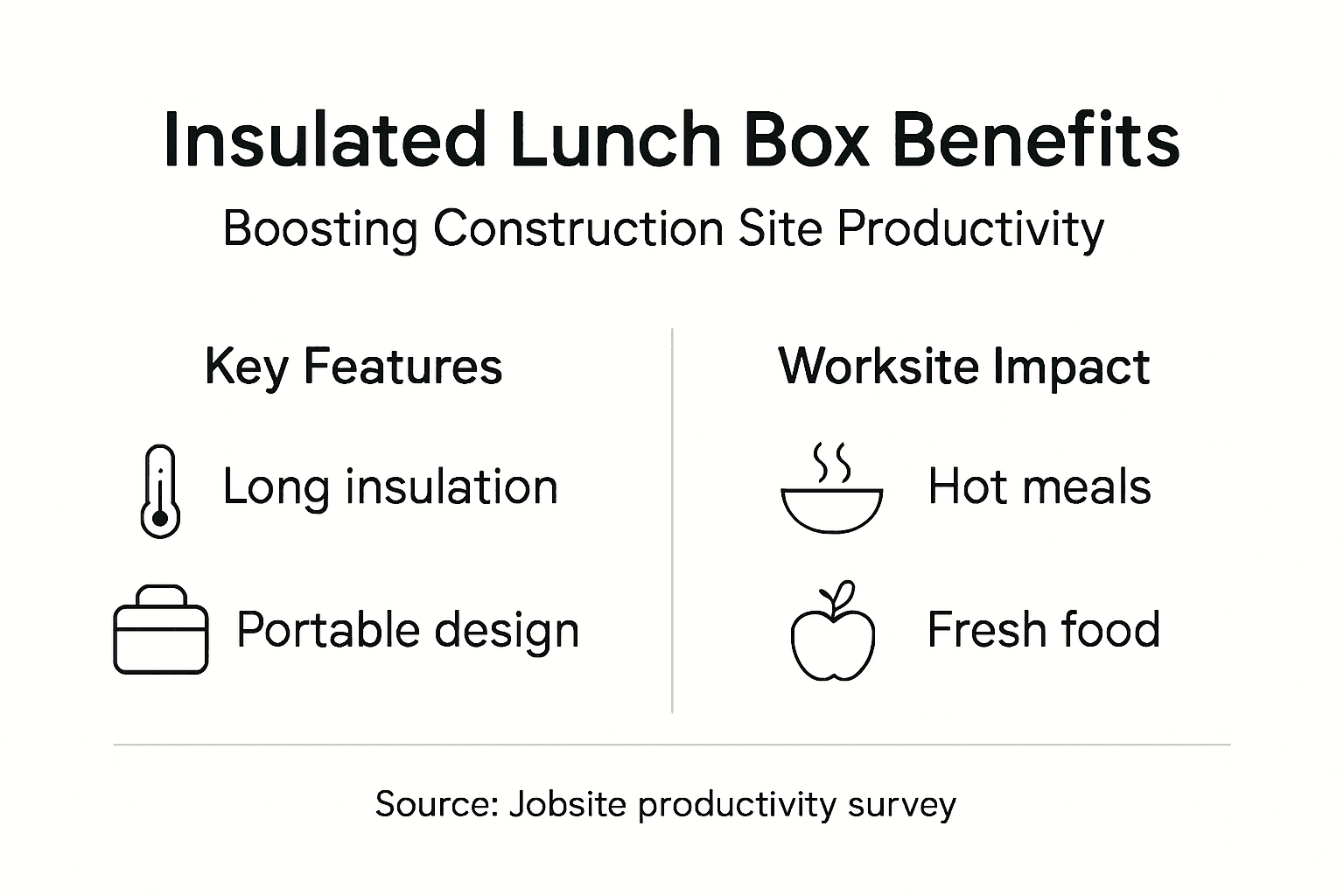
Maintaining Food Temperature: Insulation and Technology
Food safety during long shifts depends entirely on consistent temperature control. Insulation works through foam layers and reflective aluminum linings that minimize heat transfer between your food and the external environment. High-quality insulated lunch boxes maintain cold temperatures for 10+ hours, with premium models reaching up to 30 hours, crucial for preventing bacterial growth that causes foodborne illness.
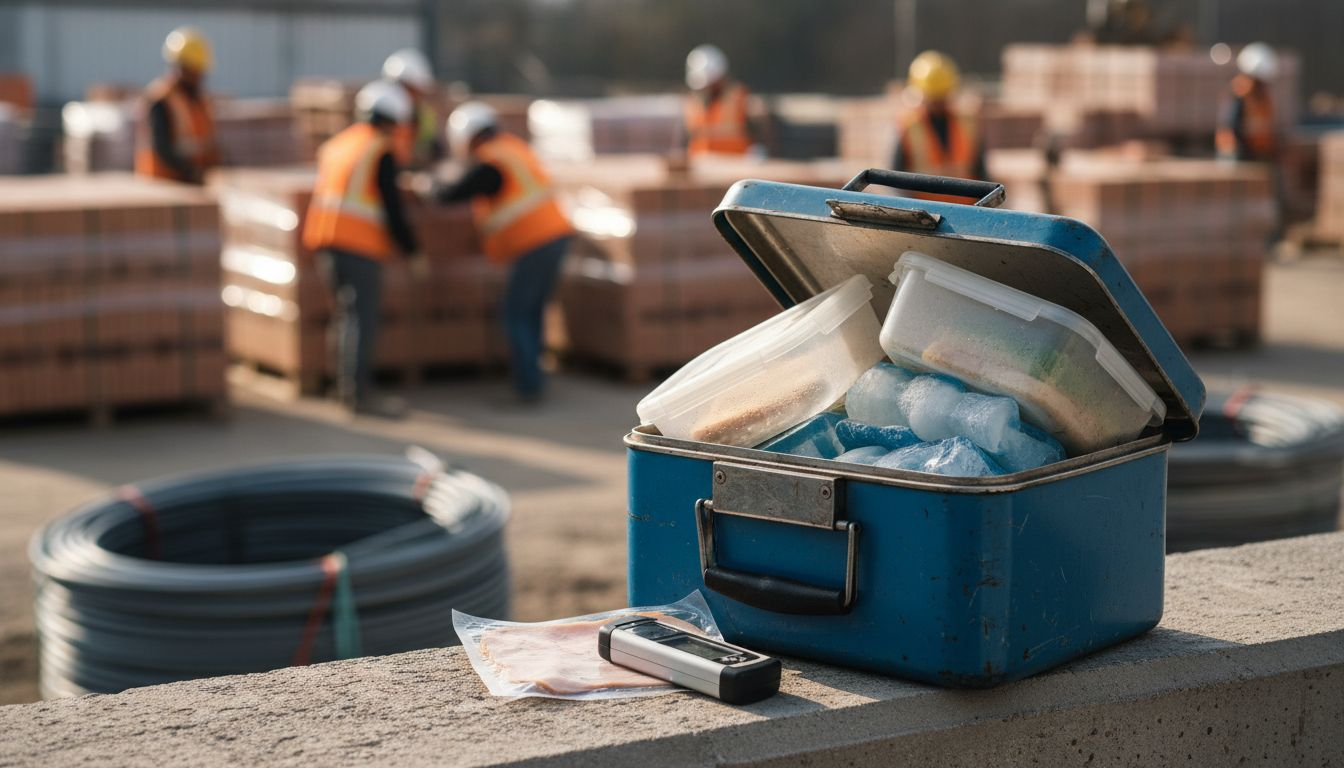
Cold retention protects dairy, meats, and prepared meals from the danger zone between 40°F and 140°F where bacteria multiply rapidly. Workers who skip proper insulation risk stomach issues that sideline productivity. Thick insulation walls, typically 0.5 to 1 inch, create barriers against heat penetration even when lunch boxes sit in hot vehicles or sunny break areas.
Electric lunch boxes solve the hot meal challenge differently. These units heat food to approximately 149°F (65°C) within 30 minutes using built-in heating elements. You plug them into wall outlets during morning prep or use vehicle adapters onsite. The convenience transforms cold leftovers into restaurant-quality warm meals without microwaves.
Pro Tip: Test your insulated lunch box’s performance before relying on it. Pack ice packs and perishables, then check temperatures after your typical shift duration to confirm adequate cold retention.
Electric models require careful maintenance. Heating cords can develop wear from repeated coiling and jobsite handling. Inspect connections monthly and store cords loosely to extend lifespan. Some workers prefer insulated lunch boxes paired with thermoses for hot soups, avoiding electrical complexity while still enjoying warm options.
Temperature failures lead to wasted food and money. Investing in proven thermal technology pays for itself within months through preserved meals and improved energy levels. Your afternoon productivity depends on eating safe, satisfying food at lunch.
Durability and Materials for Portability in Rugged Environments
Construction sites destroy ordinary lunch bags within weeks. Robust lunch boxes use materials like 900D Oxford fabric and reinforced nylon with heavy stitching to endure physical impacts, spills, and abrasions that characterize jobsite conditions. The