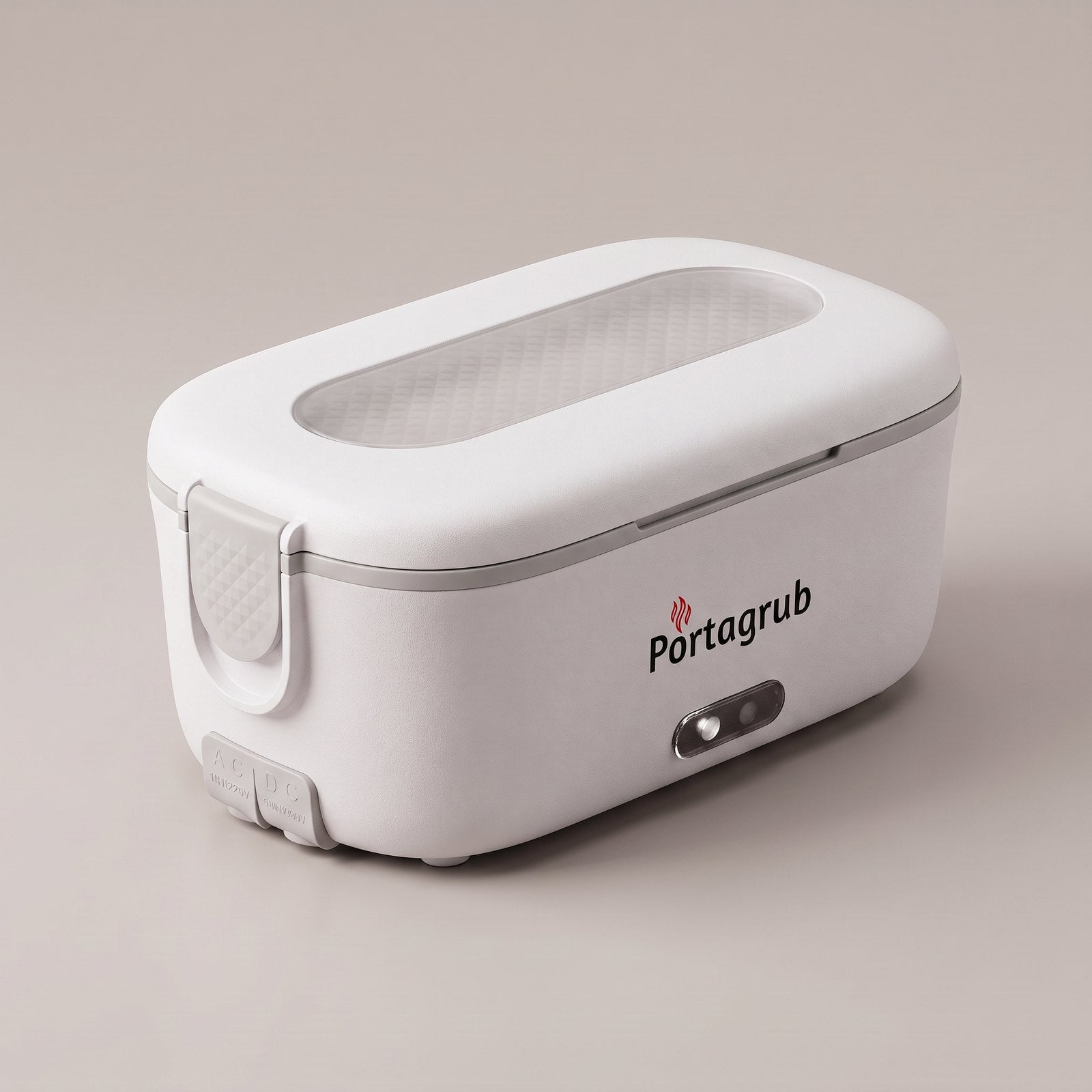
 Model S
 Model F
Tea in the flask, coffee at the garage, a can of something from the fridge on a long afternoon: caffeine is how a lot of us get through a working day. Here's what the research and the safety regulators say about how well it works and how much is sensible.
Does caffeine help you stay alert?
The European Food Safety Authority (EFSA) notes that caffeine stimulates the central nervous system and, in moderate doses, increases alertness and reduces sleepiness. So yes, it works, for a while. What it doesn't do is replace sleep or food.
How much is too much?
EFSA's 2015 scientific opinion concluded that, for healthy adults who aren't pregnant:
- Single doses of up to 200 mg (about 3 mg per kg of body weight, or 200 mg for a 70 kg adult) do not raise safety concerns.
- Habitual intake of up to 400 mg a day, from all sources, does not raise safety concerns.
- For pregnant women, intake of up to 200 mg a day from all sources was not associated with safety concerns for the baby.
Plenty of people go over that. In EFSA's survey data the share of adults above 400 mg a day ranged from about 6% to almost a third, depending on the country. For a sense of scale, EFSA assumed 320 mg of caffeine per litre for the most popular energy drink brand, which works out at roughly 80 mg in a 250 ml can and about 160 mg in a 500 ml can. Brands vary, so check the label, and remember that tea, coffee, cola and chocolate all count towards your total.
The catches
- Sleep. EFSA notes caffeine can lengthen the time it takes to fall asleep and shorten sleep. Caffeine late in the day can therefore cost you energy the next morning.
- Withdrawal. Germany's Federal Institute for Risk Assessment lists headaches, fatigue and difficulty concentrating among the symptoms of caffeine withdrawal, and Finland's food authority notes that someone used to a lot of coffee may feel tired or get headaches if they suddenly cut back. A flat, headachy Monday after a caffeine-light weekend might be the caffeine, not the job.
- Energy drinks. Finland's food authority summary of EFSA's work says energy drinks shouldn't be mixed with heavy alcohol or used as thirst quenchers. Many standard cans also contain a lot of sugar, which brings the crash described in our post on snacks and steady energy.
What this means on the job
- Keep a rough count of your daily total, including energy drinks.
- Spread it out rather than loading up in one go, and try to leave a gap before bed.
- Try a glass of water first, because even mild dehydration can feel like tiredness. See our post on dehydration and energy.
- Caffeine isn't a substitute for sleep. If you're struggling to stay awake at the wheel, pull over somewhere safe and rest.
A hot lunch with protein and fibre also helps steady your energy without relying on another cup. A Portagrub heated lunch box warms food that has already been defrosted, and a thermal carry bag helps keep it hotter for longer.
Sources
- EFSA Panel on Dietetic Products, Nutrition and Allergies, scientific opinion on the safety of caffeine, EFSA Journal, 2015.
- EFSA explains risk assessment: caffeine, 2015.
- German Federal Institute for Risk Assessment (BfR): frequently asked questions on caffeine and foods containing caffeine, including energy drinks.
- Finnish Food Authority (Ruokavirasto): are energy drinks safe?
This article is general information, not medical advice. If you have a medical condition, are pregnant or take medication, speak to your doctor about caffeine.
Wetter food heats faster. If your stew has thickened in the fridge, stir in two tablespoons of water before you clip the lid.
More from the kitchen
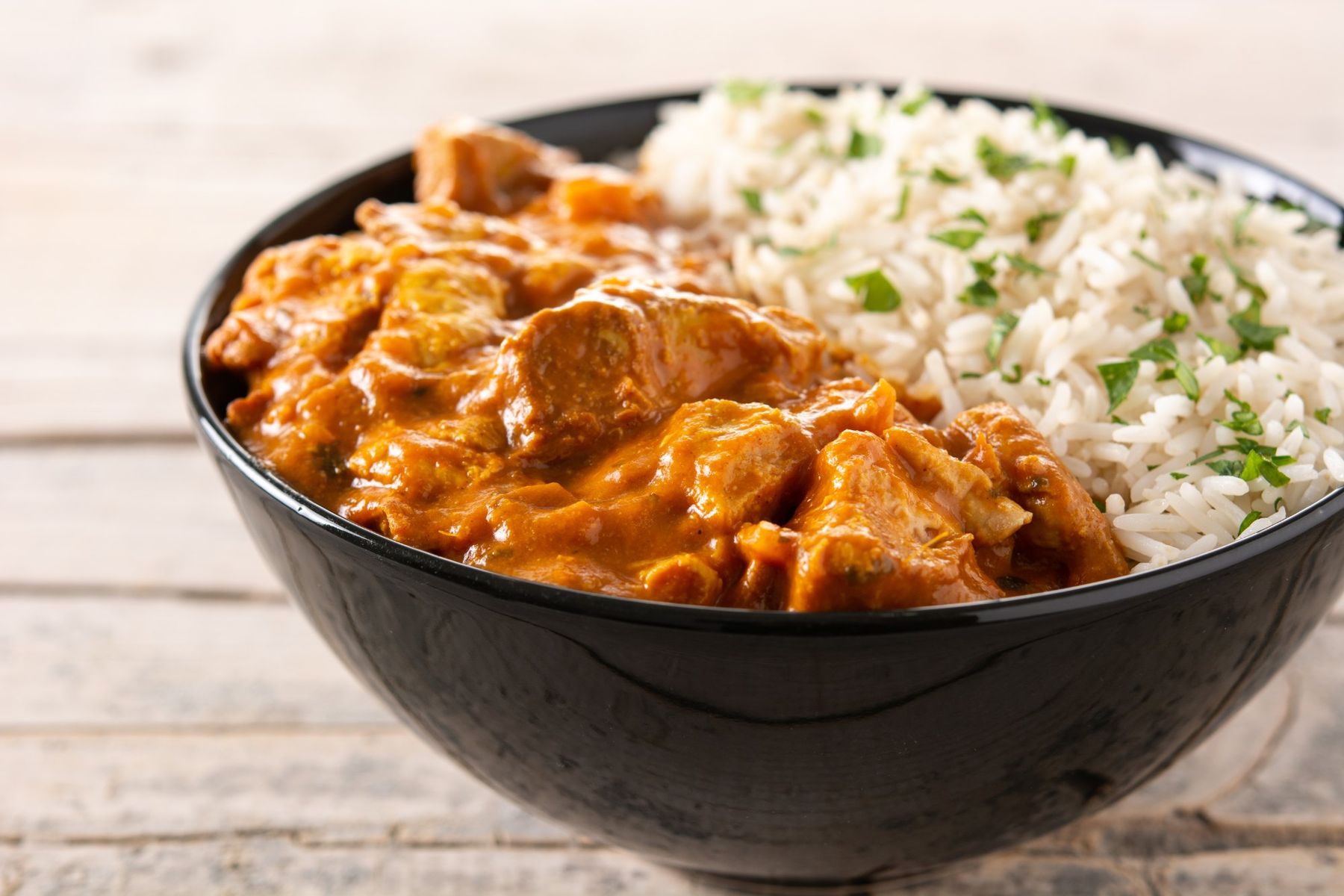
Can What You Eat Change How You Sleep? Fibre, Sugar and Next-Day Energy
Your lunch might affect tonight's sleep and tomorrow's energy. Here is what a controlled sleep-lab study found about fibre, saturated fat and...

Early Starts, Long Hauls and Night Work: What Research Says About When You Eat
For people with irregular hours, when you eat matters as well as what. Here is what research on shift workers found about...