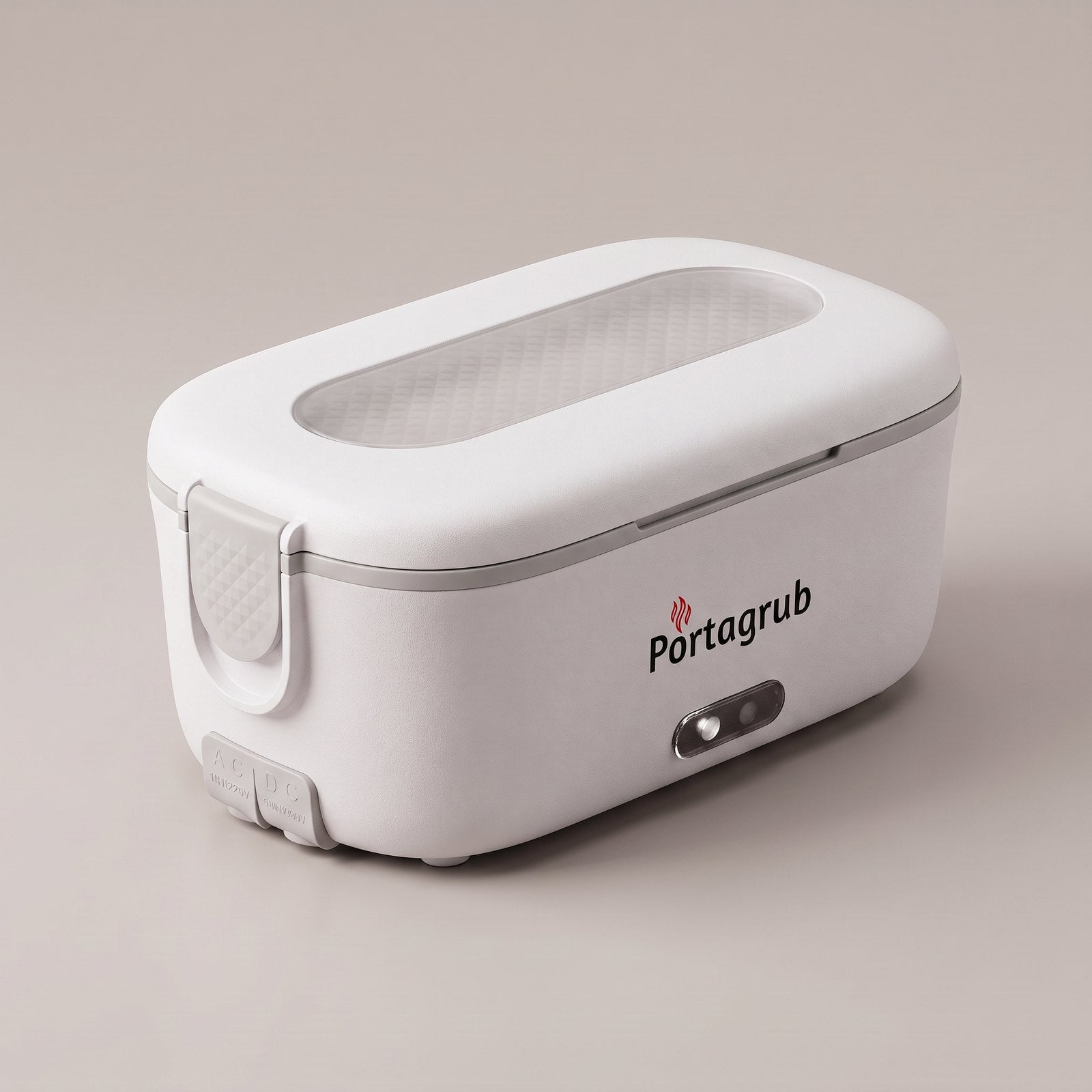
 Model S
 Model F
On a long shift, steady energy often comes down to one simple thing: not getting hungry at the wrong time. When you're running on empty by eleven or three, concentration drops and the garage forecourt starts looking very tempting. Research on protein and fibre gives some useful clues about how to stay satisfied for longer.
What the research says about protein and fullness
Many controlled studies have looked at how protein affects appetite, and the results are fairly consistent:
- In a trial of women, breakfasts containing 30 g or 39 g of protein produced higher fullness ratings than a low-protein, high-carbohydrate breakfast or skipping breakfast altogether.
- A small crossover study found that extra protein at breakfast led to an initial and sustained feeling of fullness when people were cutting calories (British Journal of Nutrition, 2009).
- A study in teenagers who usually skip breakfast found that eating breakfast increased fullness, and a protein-rich one reduced appetite and food intake further (International Journal of Obesity, 2010).
Most of these studies measure fullness and appetite, not energy directly, and several are small. But if you feel satisfied and steady, you're less likely to hit the wall or reach for a sugary snack.
Where fibre fits in
The Aberdeen "Big Breakfast" trial compared higher-protein and higher-fibre breakfasts over 28 days in adults with overweight or obesity. The higher-protein approach gave greater feelings of fullness, while the higher-fibre diet was linked with more of the gut bacteria that are generally seen as beneficial. In other words, the two do different jobs, and a good lunch has both.
Putting it into your lunch box
- Protein: chicken, eggs, fish, lean mince, beans, lentils, chickpeas.
- Fibre: vegetables, pulses, oats, wholemeal pasta, brown rice, potatoes with skins.
- Pairing ideas: chicken and vegetable stew with pearl barley; bean chilli with brown rice; lentil and vegetable soup; egg and veg frittata with a baked potato.
Meals like these batch-cook well. Make a big pot on Sunday, portion and freeze it, then defrost a portion the night before. A Portagrub heated lunch box warms defrosted food on site, and a thermal carry bag helps keep it hotter for longer, so you get a proper filling hot meal instead of whatever is in the deli cabinet.
Sources
- British Journal of Nutrition, 2009: increased dietary protein at breakfast and sustained fullness during energy restriction.
- International Journal of Obesity, 2010: a protein-rich breakfast and appetite control in breakfast-skipping adolescents.
- University of Aberdeen "Big Breakfast" study: higher-protein versus higher-fibre breakfasts, appetite and gut microbiota.
This article is general information, not medical advice. If you have kidney disease or another medical condition, check with your doctor before changing how much protein you eat.
Wetter food heats faster. If your stew has thickened in the fridge, stir in two tablespoons of water before you clip the lid.
More from the kitchen
Do Fruit and Veg Really Boost Your Energy? What the Studies Show
Do fruit and vegetables make you feel more energetic day to day? Here is what studies from the University of Otago found,...
Tired on the Job? Why Even Mild Dehydration Can Drain Your Energy
Research suggests even mild dehydration can leave you more tired, less focused and more tense. Here is what the studies found and...