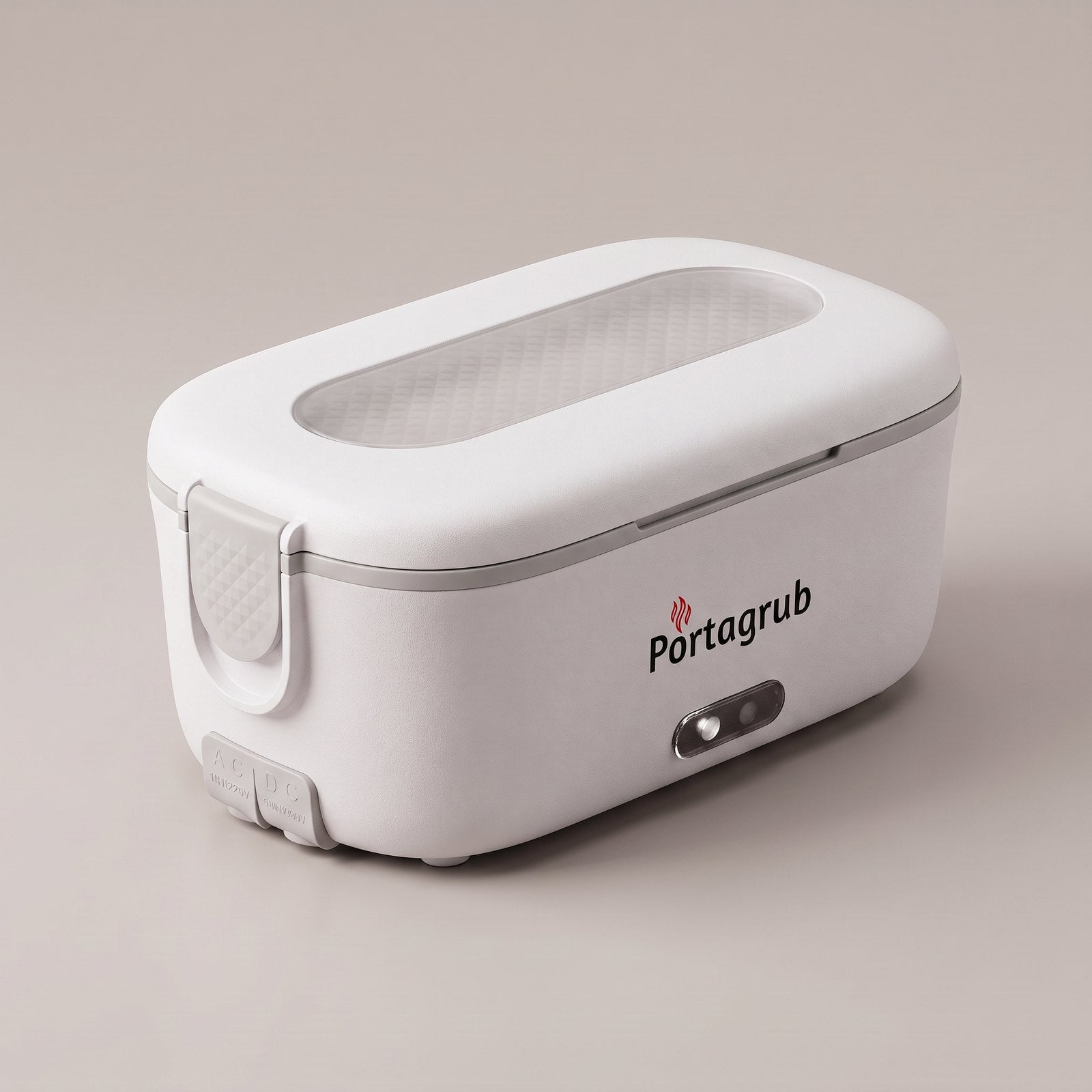
 Model S
 Model F
Most people on the job think about food when they think about energy. Fewer think about water. But research on mild dehydration suggests that being a little short on fluid, well before you feel properly thirsty, can leave you more tired, less focused and more on edge. For anyone working outdoors, on the road or in a van all day, it's worth knowing about.
What the studies found
- In a randomised trial of 26 healthy young men, losing roughly 1 to 2% of body mass as water led to worse vigilance and working memory, and higher reported tension, anxiety and fatigue, compared with staying hydrated (British Journal of Nutrition, 2011).
- A companion study in 25 young women found that mild dehydration brought on headaches, tiredness and difficulty concentrating (Journal of Nutrition, 2012).
- The researchers noted that the effects were similar whether people were resting or had just walked, so it isn't only a problem during hard physical exertion.
One of the lead researchers pointed out that thirst often doesn't kick in until you're already around 1 to 2% down, which means by the time you feel thirsty, your mood and concentration may already be affected.
A few honest caveats
These were small studies, mostly in healthy young adults, and the dehydration was deliberately induced in a lab. They don't prove that your afternoon tiredness is down to water. But they fit with what most people notice: a day spent on a few cups of tea and a can of fizzy drink tends to feel flatter than one where you've been drinking steadily.
Easy ways to stay topped up on the job
- Start the day with a drink, before the tea and the first job.
- Keep a bottle where you can see it. In the van, on the tractor, in the bag. If it's out of sight it won't get drunk.
- Sip through the day rather than gulping it all at once.
- Check your urine colour. Pale straw is a good sign; dark yellow suggests you need more.
- Remember cold days count too. In winter it's easy to skip drinks because you don't feel hot or thirsty, but you're still losing fluid.
- Tea and coffee count towards your fluids, but they shouldn't be the only thing you drink all day.
Soup and stew help too
Meals with plenty of liquid, such as soup, stew, casserole and curry with sauce, add to your fluid intake as well as giving you a hot, filling lunch. Those are the meals that batch-cook and freeze well, and a Portagrub heated lunch box will warm a defrosted portion on site, with a thermal carry bag helping to keep it hotter for longer.
Sources
- Ganio et al., British Journal of Nutrition, 2011: mild dehydration impairs cognitive performance and mood of men.
- Armstrong et al., Journal of Nutrition, 2012: mild dehydration affects mood in healthy young women.
This article is general information, not medical advice. Fluid needs vary with the person, the work and the weather, and some medical conditions or medicines change them, so follow your doctor's advice if you have been given specific guidance.
Wetter food heats faster. If your stew has thickened in the fridge, stir in two tablespoons of water before you clip the lid.
More from the kitchen
Do Fruit and Veg Really Boost Your Energy? What the Studies Show
Do fruit and vegetables make you feel more energetic day to day? Here is what studies from the University of Otago found,...
Protein, Fibre and Staying Full: Eating for Steady Energy on a Long Shift
Staying full and steady on a long shift often comes down to protein and fibre. Here is what the research says and...