 Model S
 Model F
Everyone knows a bad night's sleep means a long day. Less obvious is the idea that what you eat during the day can affect how well you sleep that night. Here's what one of the better-controlled studies found, and how far the evidence goes.
What the sleep-lab study found
In a randomised crossover study published in the Journal of Clinical Sleep Medicine in 2016, researchers at Columbia University studied 26 healthy, normal-weight adults aged 30 to 45 in a sleep lab. For the first four days they ate a nutritionist-designed diet that was high in fibre and low in sugar and saturated fat. On the fifth day they chose their own food.
- After the day of self-chosen food, participants had less slow wave sleep, the deepest and most restorative stage, and took longer to fall asleep. On average it took them about 29 minutes to nod off, compared with about 17 minutes after the controlled meals.
- Eating more fibre predicted more slow wave sleep and less light sleep.
- A higher share of energy from saturated fat predicted less slow wave sleep.
- More sugar was associated with more waking arousals during the night.
The authors concluded that low fibre and high saturated fat and sugar intake are associated with lighter, less restorative sleep with more arousals.
How far can you take it?
- It was a small study, and the researchers themselves said that using diet to manage sleep problems still needs testing.
- The links between individual foods and sleep stages were associations, not proof that one food causes a particular result.
- It doesn't mean food will fix a sleep problem. If you're regularly exhausted, speak to your GP.
Small swaps that fit the research
- Add fibre to your main meals. Beans, lentils, wholegrain rice or pasta, oats and plenty of vegetables.
- Go easy on the sugary extras, especially in the evening.
- Watch the saturated fat. Fry-ups, fatty cuts and heavy takeaways are the obvious ones.
- Mind your caffeine. See our post on caffeine and staying alert.
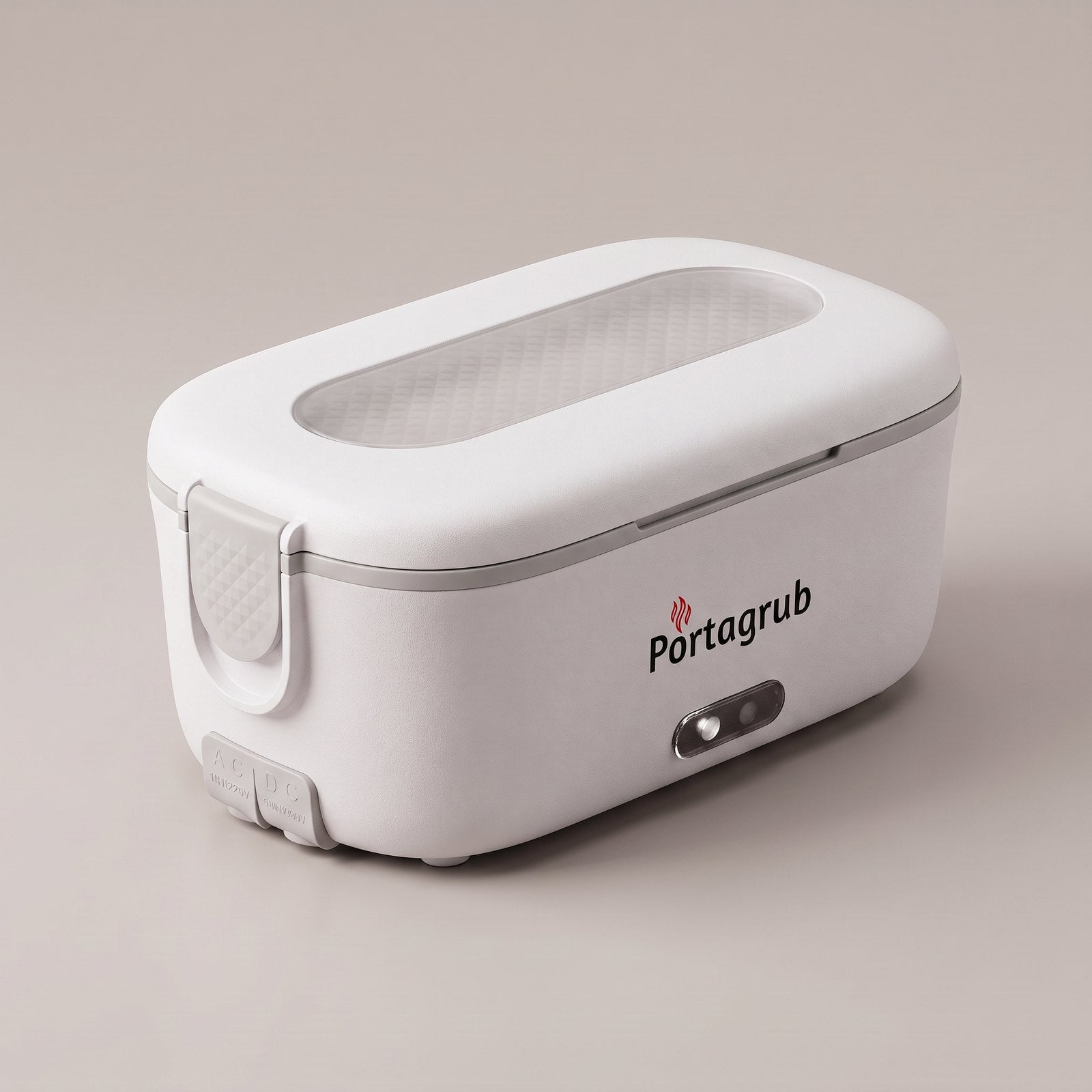
The good news is that the foods linked with better sleep in this study, such as bean chilli, lentil soup and veg-packed stews, are the same ones that batch-cook and freeze well. A Portagrub heated lunch box warms food that has already been defrosted, and a thermal carry bag helps keep it hotter for longer, so a fibre-rich meal is as easy to take to work as a sandwich. For steadier energy through the day, see our post on protein, fibre and staying full.
Sources
- St-Onge, Roberts, Shechter and Choudhury, Journal of Clinical Sleep Medicine, 2016: fiber and saturated fat are associated with sleep arousals and slow wave sleep.
- American Academy of Sleep Medicine news release, January 2016: what you eat can influence how you sleep.
This article is general information, not medical advice. If you have trouble sleeping or a medical condition, speak to your doctor.
Wetter food heats faster. If your stew has thickened in the fridge, stir in two tablespoons of water before you clip the lid.
More from the kitchen

Early Starts, Long Hauls and Night Work: What Research Says About When You Eat
For people with irregular hours, when you eat matters as well as what. Here is what research on shift workers found about...
Tea, Coffee and Energy Drinks: What the Research Says About Caffeine and Staying Alert
Caffeine does help you stay alert, but how much is sensible? Here is what the European Food Safety Authority and other bodies...