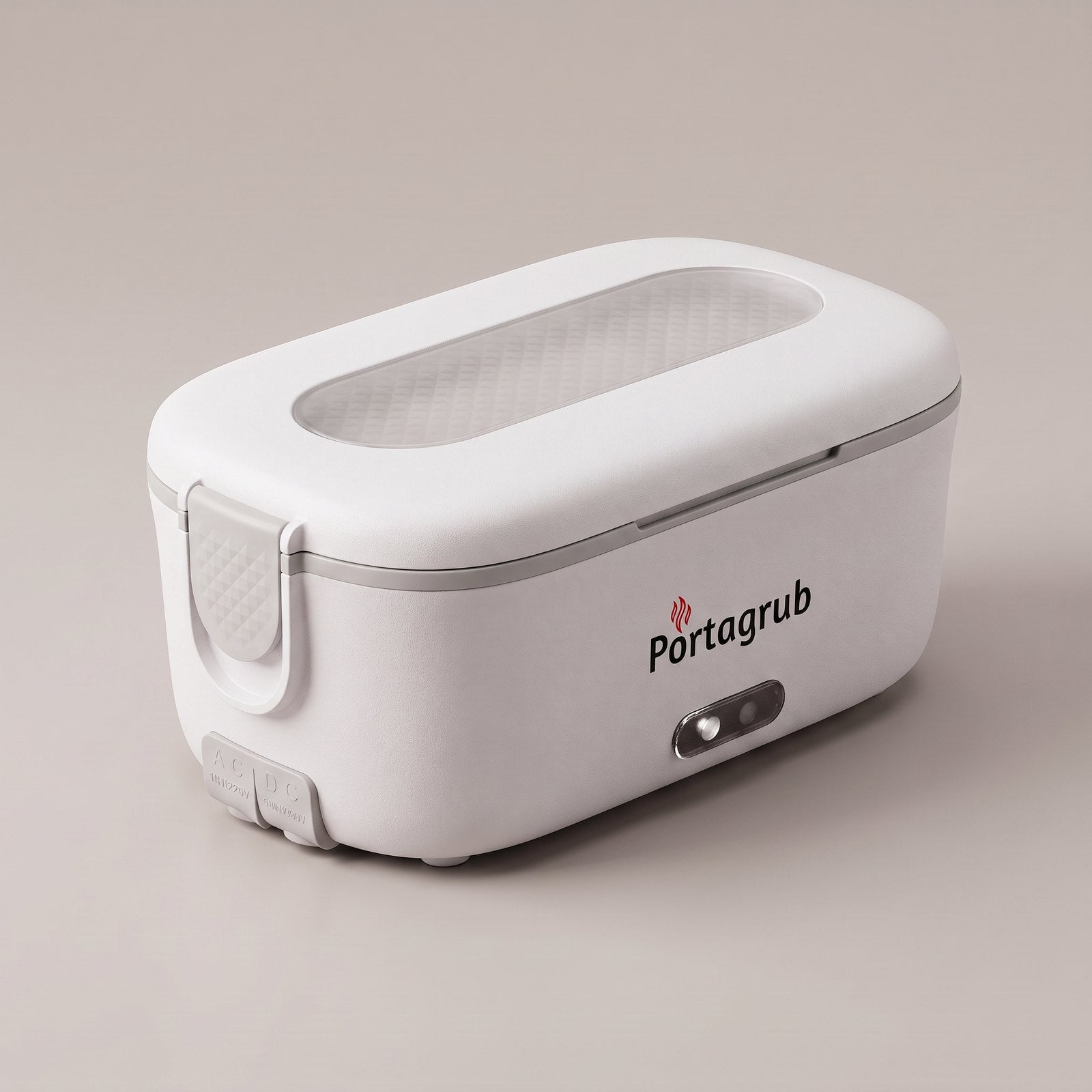
 Model S
 Model F
Early starts, long hauls, night deliveries, harvest hours: plenty of working lives don't follow a neat breakfast, lunch and dinner pattern. A lot of research has looked at when shift workers eat, and some of it is useful for anyone whose hours are all over the place. It's worth saying up front that most of these studies are on shift workers, such as hospital and industrial staff, not on tradesmen or farmers specifically.
It's about when and what, not just how much
A systematic review and meta-analysis in Chronobiology International (2016) found that the total daily energy intake of shift workers wasn't different from that of day workers. The authors suggested that other factors, including circadian misalignment, meal timing, food choice and how the body handles energy at night, may explain the differences in health outcomes.
A later systematic review of rotating shift workers found they tended to eat more irregular and more frequent meals, to snack or eat more at night, and to eat fewer core foods and more discretionary ones such as sweets and snack foods. A scoping review of 62 articles on shift worker eating makes a similar point, noting that eating at night means eating when the body is primed for sleep and has reduced glucose tolerance.
A snack or a meal in the small hours?
One laboratory study tested this on simulated night shifts. Thirty-nine participants, in groups of 12, 13 and 14, had either a large meal, a snack or nothing to eat at half twelve at night, then did a simulated driving commute home. Driver safety was greater after the night shift if they'd had a snack rather than a meal. It's a small lab study, so treat it as a pointer rather than a rule, but it fits the idea that a heavy meal in the small hours may not help if you've a drive afterwards.
A 2026 narrative review on chrononutrition and shift workers adds a balancing point: some food at night may be needed to support alertness and performance, so the advice isn't simply to eat nothing. It also recommends that employers improve access to healthy food at night and provide scheduled meal breaks.
What this means if your hours are irregular
- Keep your meal times as regular as your hours allow, even if those times are unusual.
- Plan your food in advance rather than relying on whatever is open at 3am or 6am.
- Think lighter in the small hours. Based on one small study, a snack may be a better choice than a big meal when you have a drive ahead.
- Build meals around protein and fibre. See our post on eating for steady energy on a long shift.
Planning beats the garage
Batch-cooked meals from the freezer make a plan easy to stick to. A Portagrub heated lunch box warms food that has already been defrosted, and a thermal carry bag helps keep it hotter for longer, so a proper meal is ready whenever your break falls.
Sources
- Bonham et al., Chronobiology International, 2016: energy intake of shift workers compared to fixed day workers, a systematic review and meta-analysis.
- Systematic review of the effect of rotating shift work schedules on dietary energy intake and dietary patterns (PROSPERO registration 182507).
- Scoping review of the individual and environmental factors influencing the eating behaviours of shiftworkers (62 articles).
- The impact of a meal, snack, or not eating during the night shift on simulated driving performance post-shift.
- Understanding Chrononutrition for Managing Shift Workers' Health: A Narrative Review and Future Directions, published October 2026.
This article is general information, not medical advice. If you have a medical condition such as diabetes, follow the guidance of your doctor or dietitian.
Wetter food heats faster. If your stew has thickened in the fridge, stir in two tablespoons of water before you clip the lid.
More from the kitchen
Can What You Eat Change How You Sleep? Fibre, Sugar and Next-Day Energy
Your lunch might affect tonight's sleep and tomorrow's energy. Here is what a controlled sleep-lab study found about fibre, saturated fat and...
Tea, Coffee and Energy Drinks: What the Research Says About Caffeine and Staying Alert
Caffeine does help you stay alert, but how much is sensible? Here is what the European Food Safety Authority and other bodies...