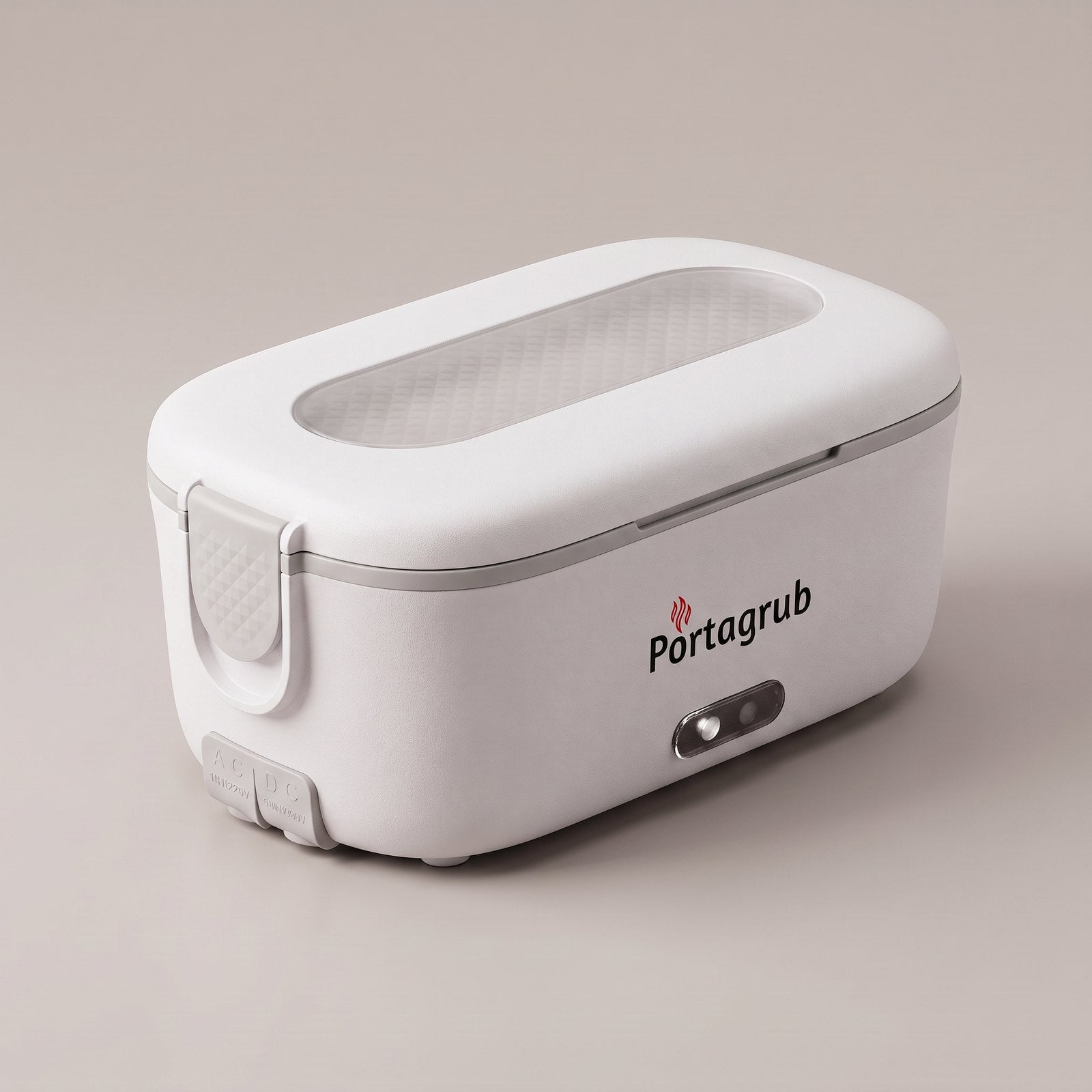
 Model S
 Model F
The mid-morning tea and biscuit, the chocolate bar at the garage, the bag of crisps on the long drive home: snacks are where a lot of working days quietly go off track. Here's what the research says about what helps, what doesn't, and how much of it is settled.
The sugar snack: a lift, then a dip
In a randomised study published in the Journal of Personality and Social Psychology in 1987, researchers compared a sugar snack with walking and asked people to rate their energy, tiredness and tension. The sugar snack was followed by a short-lived rise in energy and drop in tiredness, but an hour later people reported more tiredness and less energy. Walking was linked with higher energy and lower tension. It's an old study, but it matches what many of us notice for ourselves.
What about nuts?
A randomised crossover study from the University of Otago, published in 2021, compared almonds with sweet biscuits of equal calories. Its title reports that the almonds led to a lower blood sugar response and lower energy intake than the biscuits.
A 16-week randomised trial of 84 young adults with at least one risk factor for metabolic syndrome, published in Nutrients, found that swapping usual snacks for a mix of tree nuts reduced cravings, particularly for sweeter foods, and improved diet quality. To be clear, that trial measured cravings and diet quality, not energy levels directly, so it's an indirect link at best.
The caveats
- These are small studies, and few were done on people with physical jobs.
- Nuts are very calorie-dense, so a handful is plenty. Choose unsalted where you can, and avoid them completely if you or anyone sharing your food has a nut allergy.
- Nothing here says a biscuit now and then will ruin your day. The point is what you reach for most days.
Snacks worth keeping in the van
- A handful of unsalted nuts with a piece of fruit.
- Natural yoghurt with oats or berries.
- A boiled egg or two.
- Cheese with wholegrain crackers.
- Half a wholemeal sandwich saved from lunch.
And if a snack is really a missed breakfast or lunch, a proper meal usually does a better job. A Portagrub heated lunch box warms food that has already been defrosted, and a thermal carry bag helps keep it hotter for longer, so a small portion of last night's dinner can replace the pastry. For more on steady energy through a shift, read our post on protein, fibre and staying full.
Sources
- Thayer, Journal of Personality and Social Psychology, 1987: energy, tiredness and tension effects of a sugar snack versus moderate exercise.
- International Journal of Environmental Research and Public Health, 2021: snacking on almonds lowers glycaemia and energy intake compared to a popular high-carbohydrate snack food, an acute randomised crossover study.
- Vanderbilt University Medical Center, Nutrients: 16-week randomised trial of tree nuts versus typical snacks, cravings and diet quality in young adults.
This article is general information, not medical advice. If you have a medical condition such as diabetes, follow the guidance of your doctor or dietitian.
Wetter food heats faster. If your stew has thickened in the fridge, stir in two tablespoons of water before you clip the lid.
More from the kitchen
Can What You Eat Change How You Sleep? Fibre, Sugar and Next-Day Energy
Your lunch might affect tonight's sleep and tomorrow's energy. Here is what a controlled sleep-lab study found about fibre, saturated fat and...

Early Starts, Long Hauls and Night Work: What Research Says About When You Eat
For people with irregular hours, when you eat matters as well as what. Here is what research on shift workers found about...